Giving waste plastic new value
Recover usable oil from waste plastic and explore new possibilities for resource use.

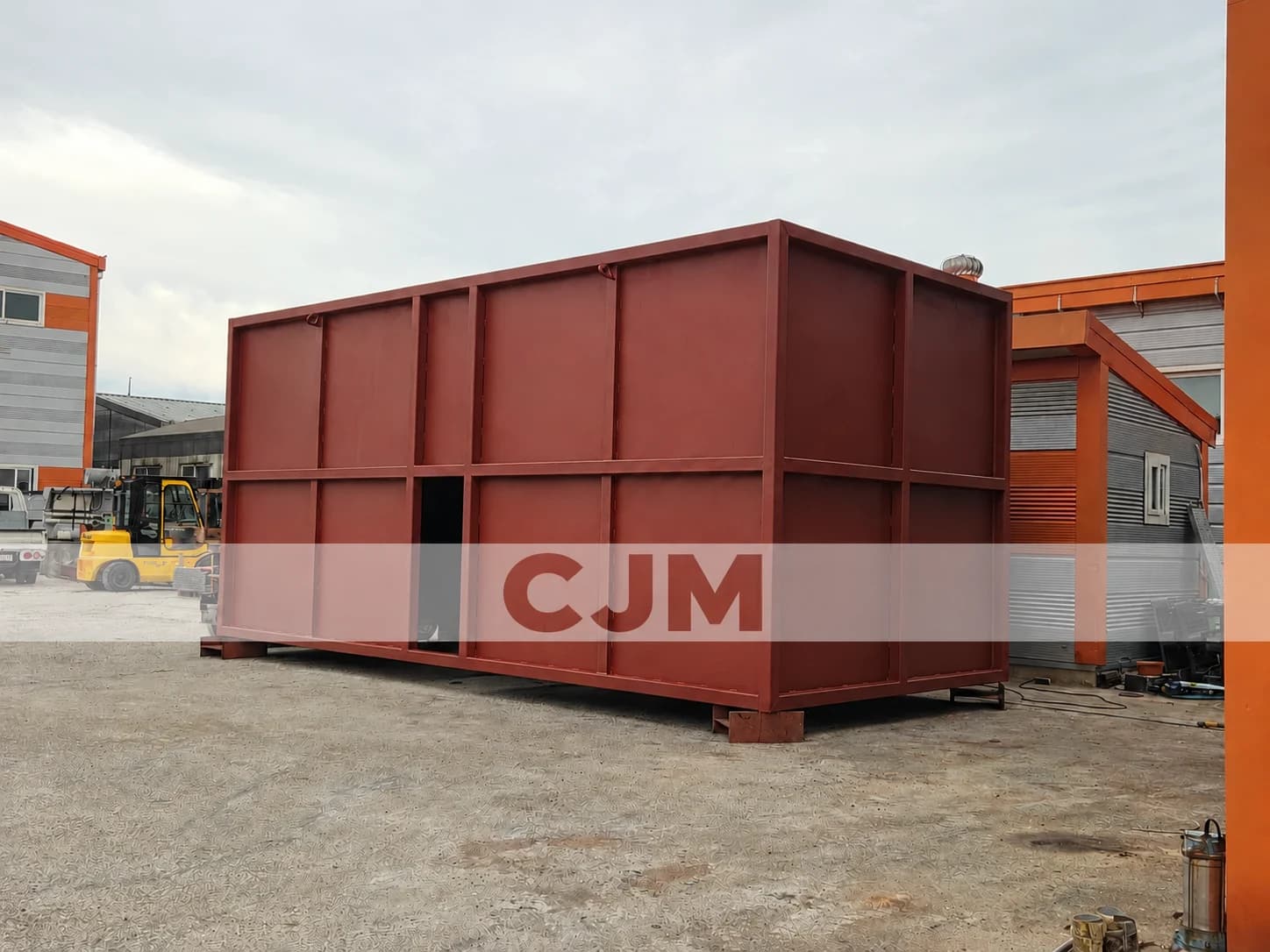
Explore CJM Engineering waste-plastic pyrolysis equipment for oil recovery, with equipment photographs, process stages and installation considerations.
Plastic-to-oil equipment, also known as waste-plastic pyrolysis equipment, heats waste plastic and cools and condenses the resulting vapours to recover oil. Feedstock properties and site conditions are reviewed together.
Equipment configuration and processing conditions require a review of the feedstock and installation environment.
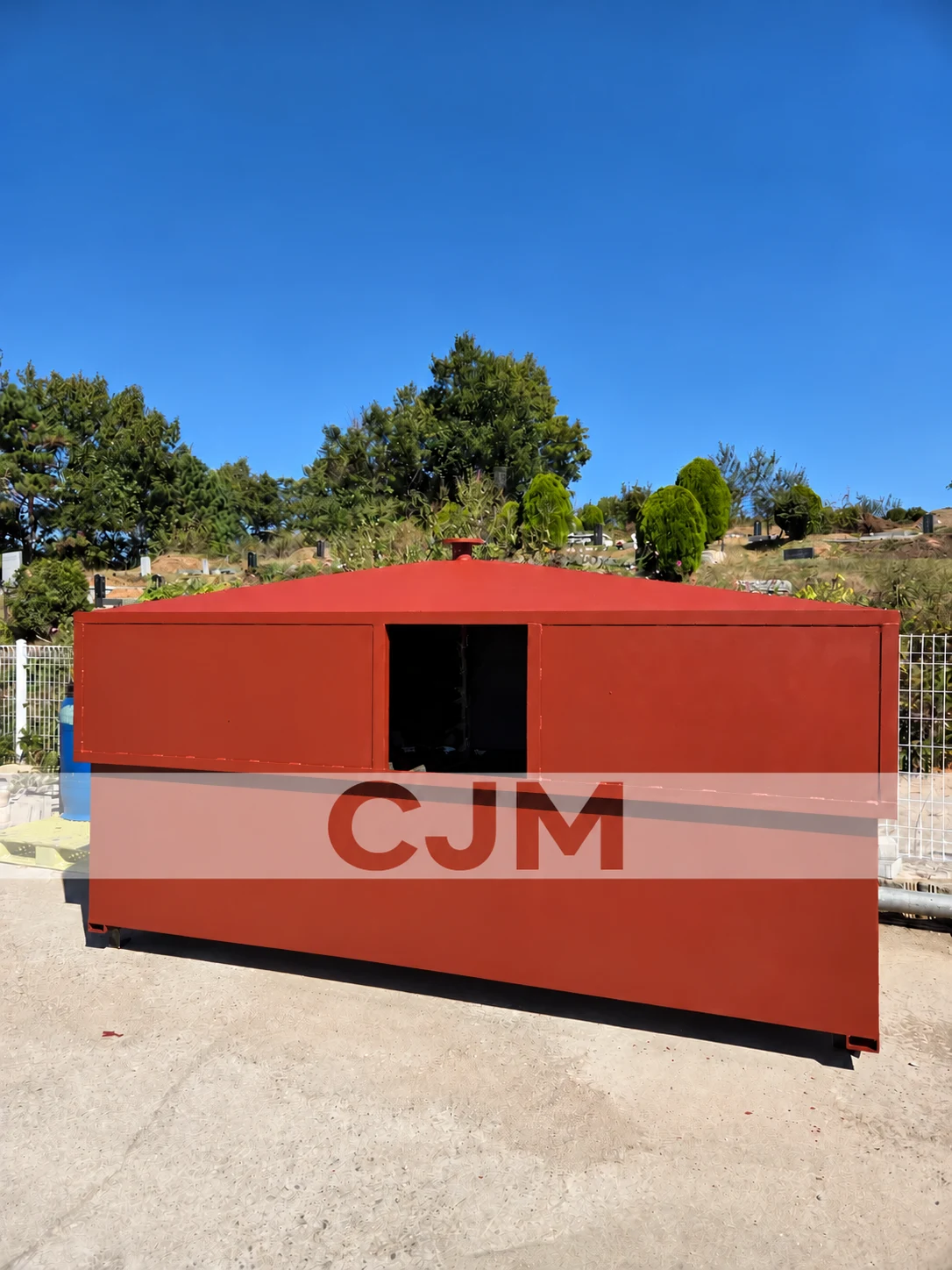
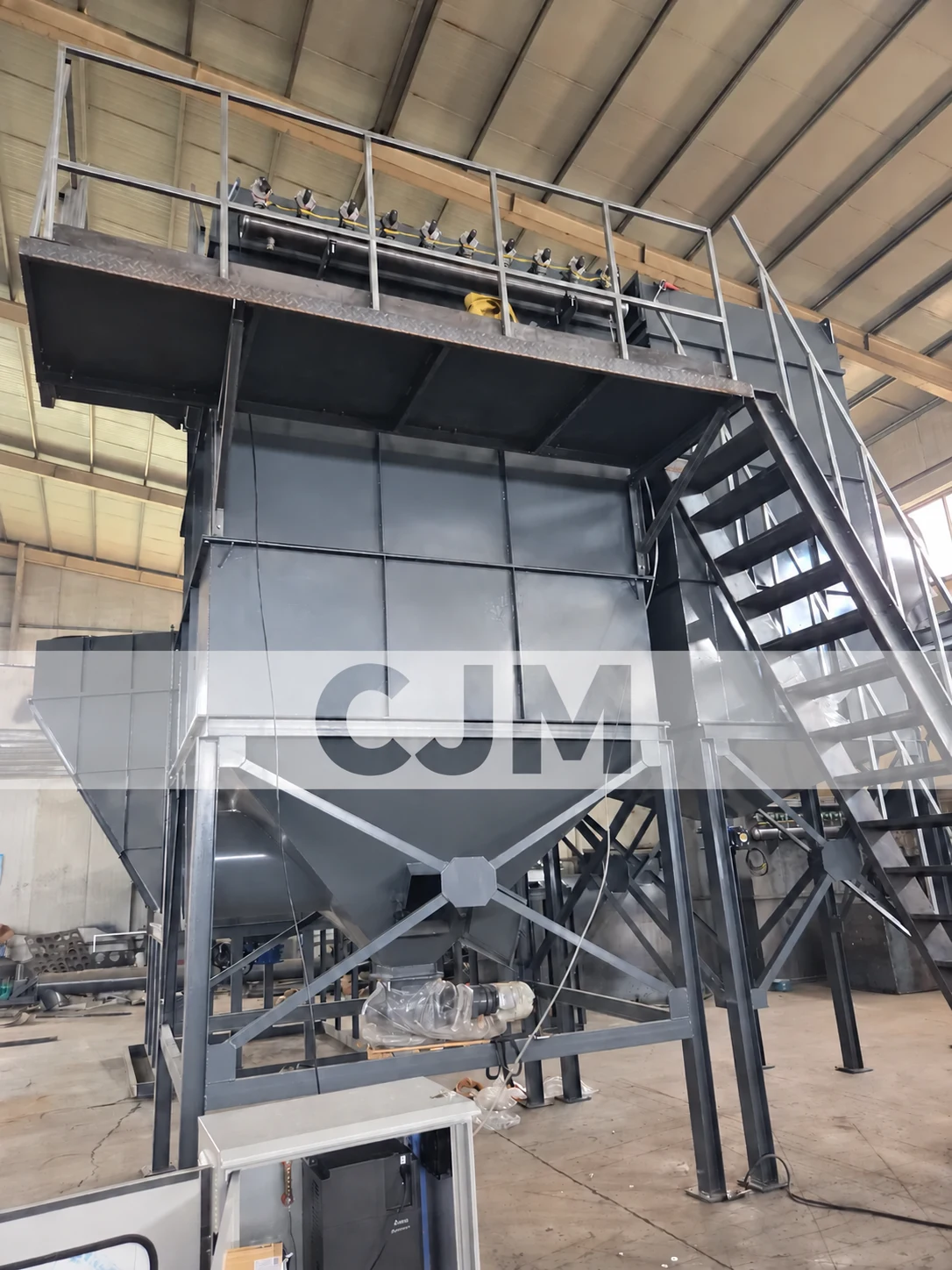
Equipment consultationEquipment photographs supplied by CJM.
Three considerations when reviewing plastic-to-oil equipment.
Recover usable oil from waste plastic and explore new possibilities for resource use.
Explore business potential by reviewing recovered oil quality, intended uses and operating costs together.
40 years of hands-on machinery experience informs equipment suited to feedstock properties and installation conditions.
Sort and prepare suitable plastic, then load the equipment.
Heat with limited oxygen to produce vapours.
Cool the vapours into liquid.
Collect the oil and check its quality and intended use.
A general process overview. Detailed stages depend on feedstock and equipment configuration; gas and solid residues are also produced.
Discuss equipment configuration, installation conditions and operating considerations.
Visits by appointment only · We may be away on business trips. Please call to make an appointment before visiting.